10DLC Compliance Guide for HOA and Property Manager Texting
Undelivered texts can mean missed emergency alerts and angry residents. This 10DLC compliance guide shows HOAs how to register and stay compliant.
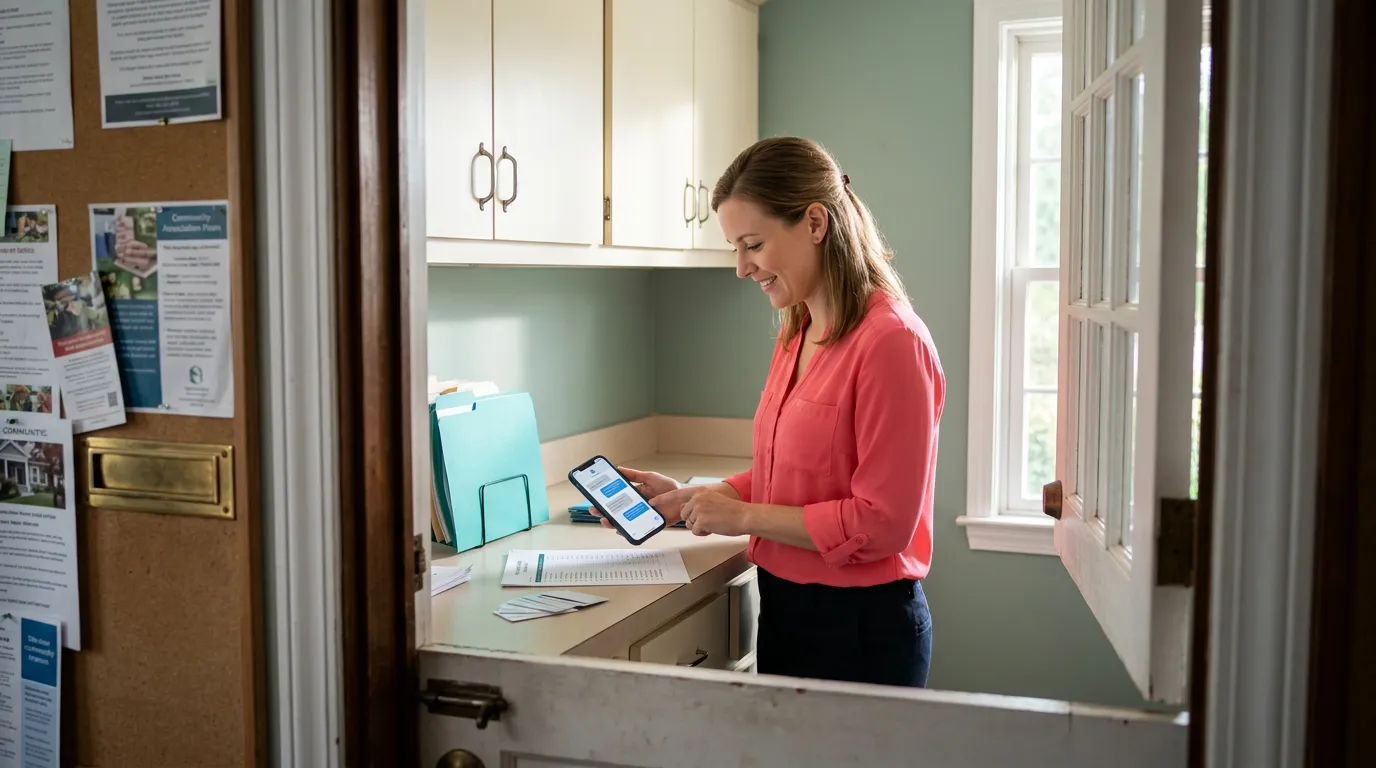
Texting homeowners about a late assessment, a gate code change, or a maintenance window feels like the easiest thing in the world to do right — until a carrier starts blocking your messages or a resident files a complaint. Behind every business text message sent in the United States sits a system called 10DLC (10-digit long code), and if your registration or campaign setup isn't right, your texts simply stop arriving. This guide walks front-office staff and property management teams through what 10DLC is, why carriers require it, and exactly how to get registered, approved, and compliant so your community texts land reliably in residents' inboxes.
The Real Cost of Skipping 10DLC Registration
When an HOA or property management office texts residents without proper 10DLC registration, carriers throttle or filter those messages, sometimes without any warning. That means a rent reminder, a violation notice, or an emergency water-shutoff alert never reaches the resident, and your team has no idea it failed. Beyond deliverability, unregistered or mis-categorized traffic can trigger fines from carriers and exposes your organization to legal risk under laws like the TCPA if consent and opt-out handling aren't documented. For an office already juggling calls, emails, and walk-ins, a broken texting channel means more phone volume, more angry residents, and more staff time spent chasing down "did you get my message?" conversations that a compliant system would have prevented.
What You'll Need Before You Start
- Your organization's legal business name, EIN or tax ID, and registered address
- A clear description of how you plan to use texting (billing reminders, violation notices, maintenance alerts, etc.)
- A texting or CRM platform, SMS provider, or communication platform that supports 10DLC registration (many property management and call-tracking tools, including QuorumVoice, handle this as part of onboarding)
- A record of how residents currently opt in to receive texts (lease language, sign-up forms, welcome packets, etc.)
- A point person authorized to submit registration paperwork on behalf of the association or management company
Understand What 10DLC Actually Is
10DLC is the framework major U.S. wireless carriers use to let businesses send application-to-person (A2P) text messages from standard 10-digit phone numbers, rather than short codes. It was created because carriers needed a way to distinguish legitimate business texting from spam, and it works by having every business register its identity and its messaging "campaigns" through a shared database called The Campaign Registry. Once registered, your number gets throughput and trust scores that determine how many messages you can send and how reliably they get delivered. Skipping this step doesn't just risk a fine — it usually means your texts get filtered before they ever reach a resident's phone.
Choose the Right Registration Path for Your Organization
Not every HOA or property manager fits the same registration tier. Carriers generally recognize a few paths:
- Standard registration — for established businesses with an EIN, appropriate for most management companies and larger HOAs.
- Low-volume standard — designed for organizations sending a smaller number of texts, often a good fit for a single-community HOA with a small resident list.
- Sole proprietor — for individuals or very small operations without a formal EIN, though throughput limits are lower.
Picking the wrong tier is one of the most common mistakes. An HOA management company handling texting for a dozen communities should register at the standard tier, since low-volume or sole-proprietor paths cap the number of messages you can send per day and will bottleneck you quickly during busy seasons like annual assessment billing or hurricane prep notifications.
Register Your Business Identity with The Campaign Registry
Your SMS provider or texting platform will typically submit this registration on your behalf, but you need to supply accurate business information: legal name, EIN, address, industry classification, and a contact person. Carriers cross-check this data against public business records, so a mismatch — like using a DBA name instead of the legal entity name — is a frequent cause of rejected or delayed registrations. If your management company operates under one legal entity but manages texting for several HOAs, work with your provider to determine whether each community needs its own brand registration or can operate under a shared brand with separate campaigns.
Submit the Right Campaign Type for Property Management Texting
Once your brand is registered, you register one or more "campaigns" describing the specific use case for your texts. For HOA and property management texting, common campaign categories include account notifications, customer care, and mixed/general use. Be specific and honest in your campaign description — carriers reject vague submissions and flag anything that looks like it's disguising marketing content as a transactional notice. If you plan to send violation notices, dues reminders, and maintenance updates, describe all of those uses clearly in the same campaign rather than guessing which category fits best. Getting this right the first time avoids a resubmission cycle that can take days.
Build Compliant Consent Language into Your Onboarding
Carriers and regulators both expect clear evidence that residents agreed to receive texts, and this is where 10DLC compliance overlaps directly with TCPA requirements. Your consent language should state what kind of messages residents will receive, roughly how often, and how to opt out (usually by replying STOP). This language belongs in lease agreements, HOA welcome packets, online resident portals, and any web form used to collect phone numbers. If you're updating your consent process, it's worth reviewing a dedicated TCPA consent playbook for property managers alongside your 10DLC paperwork, since carriers can ask for proof of consent during campaign vetting.
Configure Your Texting Number and Opt-Out Handling
Once approved, your number needs to be configured to automatically honor STOP, UNSUBSCRIBE, and similar keywords, and to confirm the opt-out back to the resident. Most modern texting platforms and communication tools handle this automatically, but it's worth testing it yourself: text STOP from a personal phone and confirm you stop receiving messages and that the opt-out is logged somewhere your team can see it. This matters practically too — if a resident opts out of texts about a violation notice, your front-office team needs to know to switch to phone or mail for that person, not just assume the message got through.
Monitor Deliverability, Trust Scores, and Message Volume
10DLC isn't a one-time registration you can forget about. Carriers continuously monitor sending patterns, complaint rates, and opt-out ratios, and they can throttle or suspend a campaign that starts looking spammy — even after approval. If your community suddenly needs to send a bulk notice (a boil-water advisory, an emergency assessment, a hurricane evacuation notice), sending a large batch all at once can trip volume filters if your registered throughput doesn't support it. Ask your provider what your daily message cap is and build a plan for staggering large sends during emergencies. A platform that logs every text alongside its delivery status makes it much easier to spot a problem before residents start calling to ask why they never got the notice.
Best Practices and Tips for Ongoing Compliance
- Tip: Keep your business information identical everywhere. Your legal name, EIN, and address should match exactly across your Campaign Registry submission, your bank records, and your state business filings — mismatches are the top cause of rejected registrations.
- Tip: Separate transactional texts from anything promotional. A dues reminder or maintenance alert is different from a newsletter or event invite in the eyes of carriers. Mixing them under one vague campaign description increases the odds of filtering.
- Tip: Document consent at the point of collection, not after the fact. Save a timestamped record of when and how each resident agreed to receive texts, whether that's a signed lease clause or a portal sign-up checkbox.
- Tip: Test your opt-out flow regularly. Carrier rules change, and platforms occasionally update their keyword handling. A quick quarterly test keeps you from finding out about a broken opt-out the hard way.
- Tip: Build a fallback channel for opted-out residents. Not everyone will consent to texting, and some will opt out later. Have a plan — phone call, email, or mailed notice — so those residents still get critical information.
- Tip: Review your throughput limits before big sends. If you know an assessment notice or emergency alert is coming, check your registered daily volume ahead of time rather than discovering the cap mid-send.
- Tip: Centralize your texting records with your call and email history. When violation notices, dues reminders, and maintenance texts live in the same timeline as phone calls and voicemails for a resident, your team can answer "did we already tell them?" in seconds instead of digging through three systems.
Does 10DLC apply to a small HOA that only sends a handful of texts a month?
Yes. 10DLC requirements apply based on how you're sending business texts (from a standard 10-digit number through an application), not strictly on volume. A small HOA sending occasional reminders should still register, typically at the low-volume standard or sole-proprietor tier, since carriers filter unregistered traffic regardless of how little you send.
How long does 10DLC registration take?
Timelines vary by carrier and how complete your submission is. Brand registration is often processed within a day or two, while campaign vetting can take longer, especially if carriers request clarification on your use case. Submitting accurate, specific information the first time is the best way to avoid delays.
What's the difference between 10DLC compliance and TCPA compliance?
10DLC is a carrier-level registration system that determines whether your texts get delivered. TCPA is a federal law governing consent and communication practices, including texting, calling, and use of automated dialing systems. They overlap — carriers ask about consent during 10DLC vetting — but passing 10DLC registration doesn't automatically mean you're meeting every TCPA obligation, so both need attention. The FCC's consumer guidance on unwanted calls and texts is a useful reference for the underlying legal requirements.
Can we use the same 10DLC registration across multiple HOA communities we manage?
Often yes, if all communities operate under the same legal management company, but you'll typically register separate campaigns describing each distinct use case rather than lumping every community's texting under one vague description. Talk to your provider about whether a shared brand with multiple campaigns fits your structure, since carrier rules on this shift periodically.
What happens if our texts get filtered by a carrier?
Filtered messages usually just disappear — no bounce, no error, nothing. This is why tracking delivery status matters. If you notice unusual drops in delivery confirmations or a spike in resident complaints about missed texts, check with your provider about your current trust score and campaign standing, and review the CTIA's messaging principles and best practices for carrier-side rules that might be affecting your traffic.
Getting 10DLC right isn't a one-time form to file and forget — it's an ongoing part of running a reliable resident communication system, right alongside phone answering, voicemail, and email follow-up. Start by identifying your correct registration tier, get your brand and campaigns submitted with accurate, specific information, and build consent and opt-out handling into your everyday resident onboarding rather than treating it as a separate legal task. If your office is also rethinking how calls, texts, and emails get logged and tracked in one place, a look at HOA management software built for high call volume offices or a platform like QuorumVoice that ties texting history into the same resident timeline as calls and voicemails can save your front-office team from re-explaining the same notice three different ways. The next step: check your current texting setup against a compliant registration today, before the next dues cycle or emergency notice puts it to the test.
Written by

Derrick Threatt is an AI Automation Engineer and marketing operations leader who builds AI-driven systems, automations, and data workflows to improve revenue, operations, and team productivity.
View all posts →Latest from the blog. Keep reading.
View all →
Best Phone Systems for Small Business in 2025: Honest Picks for Teams That Can't Afford to Miss a Call
HOA and property management offices need more than sales-team phone tools. See how Allo, OpenPhone, Dialpad, Nextiva, and QuorumVoice handle resident calls.

40 HOA & Property Management Text Message Templates (Copy-Paste Ready)
40 copy-paste HOA and property management text templates for missed calls, maintenance updates, dues reminders, and after-hours compliance.
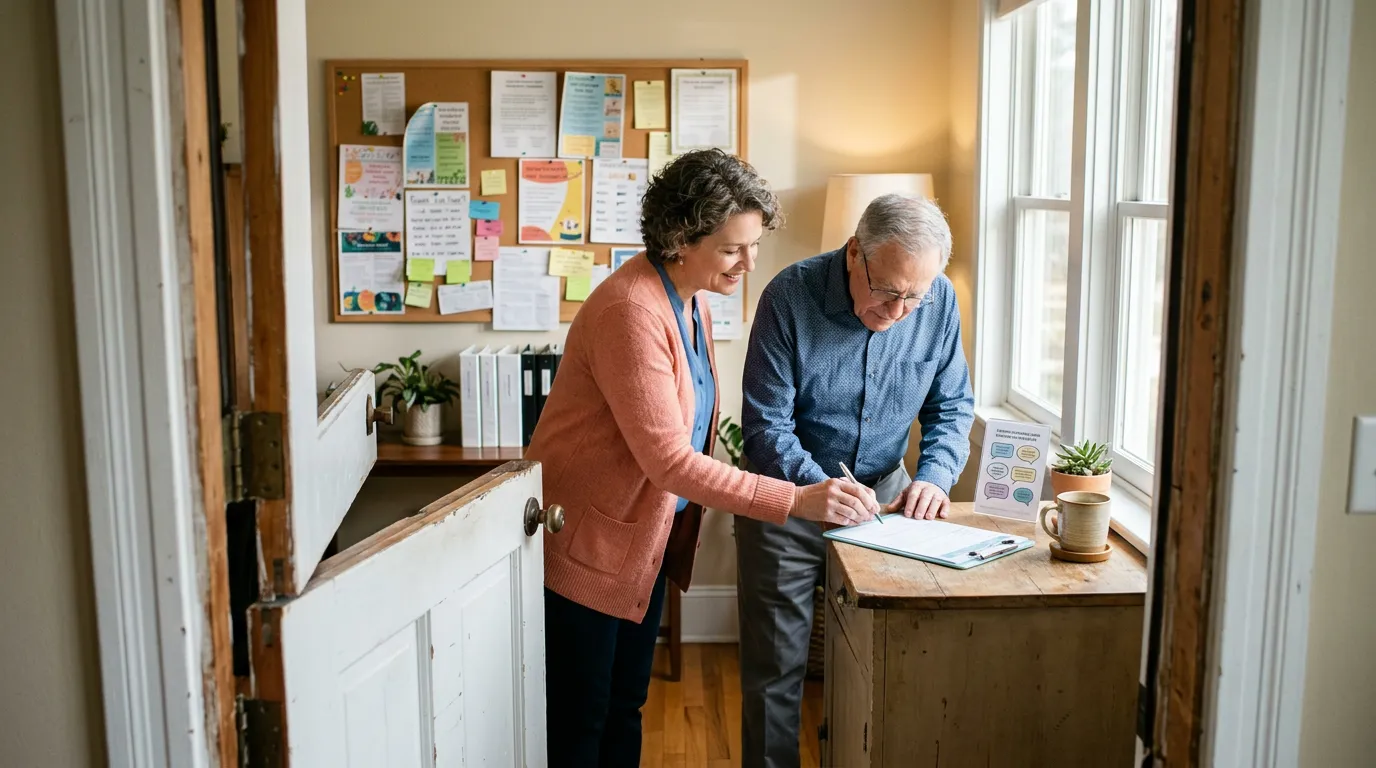
SMS Opt-In Examples & Compliant Templates for HOAs and Property Managers
Copy-paste SMS opt-in examples and compliant templates built for HOAs and property managers, covering 10DLC rules, confirmation texts, and consent tracking.